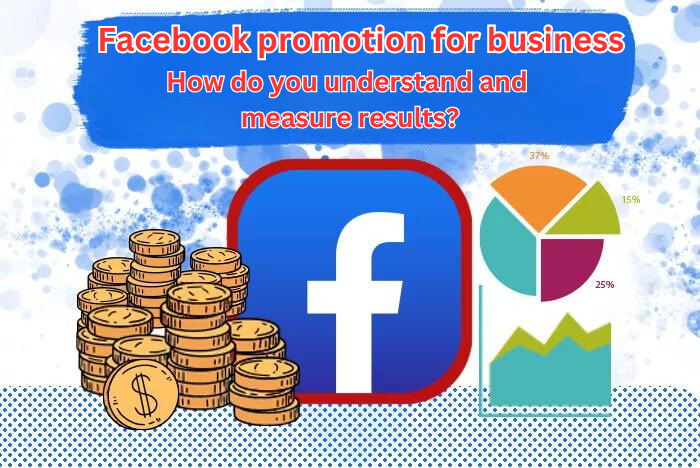
Advertising on Facebook for businesses is a powerful way to reach audiences, convert leads and increase revenue. Whether you have a small business or a large organization, this is a platform that has consistently proven itself, and continues to produce for businesses of all sizes a selection of advantages that should not be missed.
Facebook’s huge user base and the platform’s sophisticated and efficient targeting capabilities present a wealth of opportunities for advertisers. Even if you have not yet taken advantage of the sponsored promotion options on the platform or have experimented with it and want to optimize your results, this article is a must. In the following lines, we explore effective strategies adapted to both new business owners and veterans and delve into key tactics for maximizing the impact of business marketing on Facebook.
Promotion on Facebook for businesses – organic or sponsored?
When it comes to Facebook advertising, the debate between organic and sponsored content often comes up among business owners. While both avenues offer clear advantages, the most effective approach is a strategic fusion of the two.
Organic content thrives on authenticity and community engagement. This allows businesses to cultivate genuine relationships with their audience, build brand loyalty, and foster a strong online presence without incurring direct costs. Moreover, organic posts contribute to the visibility of the business, appear in the newsfeeds of followers, and may reach a wider audience through shares and interactions.
Sponsored content, on the other hand, leverages Facebook’s powerful advertising tools to target specific demographics, interests, and behaviors. It provides businesses with precision in audience segmentation and enables a targeted choice between types of Facebook campaigns that are optimized to reach potential customers with relevant content. In contrast, paid promotion also offers measurable results through analysis and insights, allowing advertisers to refine their strategies based on performance data.
However, relying on organic or sponsored content alone ignores the synergistic benefits of combining the two approaches in Facebook advertising for businesses. By combining organic efforts to foster community engagement and brand authenticity with targeted paid promotion to increase reach and increase conversions, businesses can achieve a holistic marketing strategy that maximizes their marketing efforts.
In the following sections, we will delve into strategies for harnessing the power of both organic and sponsored content to elevate business Facebook advertising efforts.
Understanding and measuring organic results
- Relevance and Engagement – Measure the relevance of your organic posts by tracking likes, comments, and shares. Engagement metrics indicate how well your content resonates with your audience.
- Reach and Impressions – Track how many people see your organic posts (reach) and how many times they are displayed (impressions). This helps gauge the visibility of the content.
- Click Through Rate (CTR) – Calculate the percentage of users who click on links in your organic posts to visit your website or landing page. The click rate reflects the effectiveness of the call to action and the content.
- Conversions – Estimate how many users take the desired actions (eg, sign up for a newsletter or make a purchase) after interacting with your organic posts. This metric measures the impact of the content on increasing conversions.
Additional insights
- Cost of Lead – While organic posts do not involve direct costs, it is essential to consider the time and resources invested in content creation and community management.
- Creativity – Try different content formats, such as video marketing for businesses, infographics, posts and more to keep your audience engaged and maximize organic reach.
- Flexibility – Changes to organic content can be made relatively quickly based on real-time feedback and interactions with the audience.
Optimization of sponsored promotion metrics
- Audience Relevance and Targeting – Assess the relevance of your sponsored ads by analyzing audience demographics, interests, and behaviors. Targeting the right audience ensures higher engagement and conversion rates. Of course, this can also be achieved by choosing a precise campaign, such as an engagement campaign on Facebook for example.
- Ad Reach and Frequency – Track the reach of your sponsored ads to ensure they are reaching your desired audience effectively. Pay attention to the frequency of ads to avoid crowd saturation.
- Clicks and visits to landing pages – track the number of clicks on your sponsored ads and visits to landing pages. Analyze traffic quality and user behavior to optimize conversion paths.
- Conversion rate and cost per acquisition (CPA) – measure the conversion rate of your sponsored ads to quantify their effectiveness in driving the desired actions. Calculate cost-per-acquisition to determine the cost-effectiveness of acquiring leads or sales through your advertising campaigns. To collect as many leads as possible, try a Facebook lead campaign.
Additional insights
- The cost of the lead – when it comes to sponsored posts on Facebook, the cost per lead or sale may vary depending on factors such as competitiveness in the industry and characteristics of the target audience. Allocate budgets accordingly, especially for high value products/services.
- Creative Optimization – Test and continuously optimize creatives, headlines, and call-to-action buttons to improve ad performance and relevance.
- Campaign iterations – Changes to sponsored campaigns may take slightly longer to implement compared to organic content. To do this, use Facebook’s ad management tools to make quick adjustments based on performance data and market dynamics.
Sponsored advertising can be particularly effective, but you should know its advantages on a variety of platforms.
Tips for business owners starting out
- There are a variety of ways to market the business. Start by creating engaging organic content tailored to your target audience. For example, a cosmetics brand can share makeup tutorials showcasing its products, while a fitness center can post workout tips and motivational quotes.
- Experience sponsored promotion by boosting your best performing organic posts. Allocate a modest budget to reach a wider audience and gauge response. For example, a meditation studio could boost a post promoting a free meditation session to new members.
- Pay attention to engagement metrics like likes, comments and shares to understand what resonates with your audience. For example, a couple’s therapy practice could track engagement with posts discussing communication tips between couples.
- As you gain confidence with social media business promotion, experiment with more advanced targeting options offered by Facebook Ads Manager. For example, a fitness trainer can target users based on their fitness, age, and location to promote personalized training programs.
Tips for experienced business owners
- Use advanced audience targeting features to reach niche segments of your target market. For example, a cosmetics brand can create custom audiences based on past purchasers or audiences like their existing customers.
- Conduct A/B testing with different ad creatives, headlines, and call-to-action buttons to identify the most effective combinations. For example, a mindfulness app could test two ad variations—one featuring peaceful images and another highlighting user testimonials.
- Set up conversion tracking to measure the effectiveness of your campaigns in driving desired actions, such as website registrations or product purchases. For example, a couple’s therapist can track conversions from Facebook ads to scheduled counseling sessions.
- Analyze your audience insights to determine the optimal times and days to display your ads. For example, a gym may find that its target audience is most active on Facebook on weekday evenings, making those evenings an ideal time to promote upcoming classes.